Gray shell vs. second-generation restaurant space in Las Vegas.
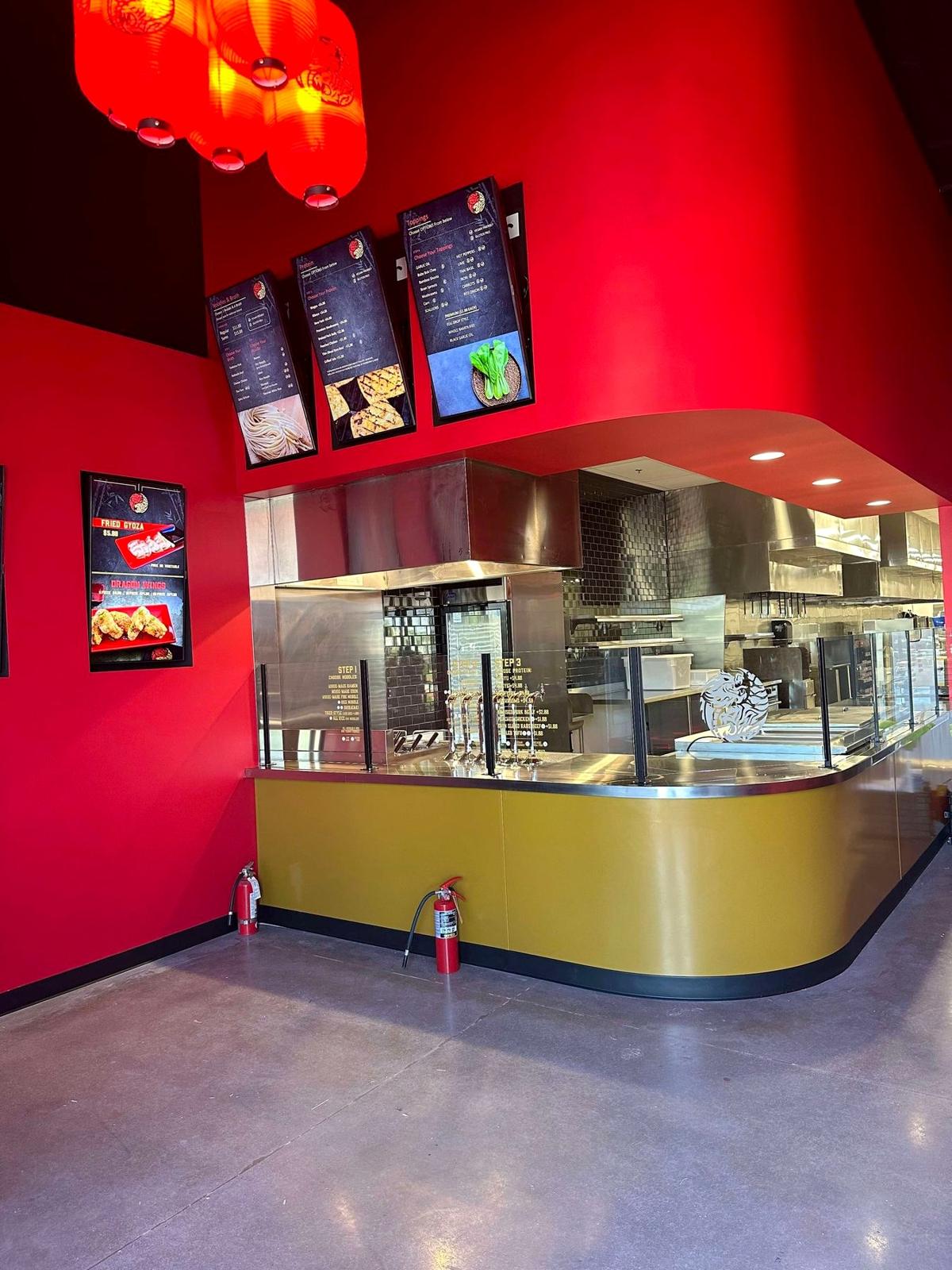
Short answerA second-generation restaurant space is usually faster and cheaper to open than a raw or gray shell, but only if the layout and infrastructure left behind fit your concept. In Las Vegas, a build-out from gray shell typically runs about $175 to $275 per square foot and a second-generation space anywhere from minor improvements up to about $175, not including kitchen equipment. Design to opening usually takes 5 to 11 months.
Raw shell, gray shell and second-generation space: what each one means
Landlords use these terms loosely, so the definition that counts is the one in your lease's work exhibit.
No slab · no HVAC
Raw shell
Walls, roof, storefront and utility stubs, but no floor slab (only a ribbon of concrete around the walls) and no HVAC units, so the floor stays open for underground plumbing. Common for restaurants.
Slab · utility stubs
Gray shell
Adds the concrete slab. No HVAC distribution, restrooms, ceiling, lighting or finishes, and the HVAC units may or may not be included.
Tenant-ready box
Vanilla shell
Also called a warm shell or white box: HVAC set and distributed, ceiling, lighting, a restroom, sprinklers and a plumbing stub. A restaurant still needs the full kitchen build-out.
Built-out restaurant
Second-generation space
Built out for a previous tenant, ideally a restaurant. The hood, grease interceptor, walk-in, restrooms, electrical service and even the kitchen line may still be there.
What each space usually includes
| Starting point | Slab | HVAC units | Ductwork, ceiling, lighting | Restroom | Hood & grease interceptor | Kitchen line |
|---|---|---|---|---|---|---|
| Raw shell | No | No | No | No | No | No |
| Gray shell | Yes | Sometimes | No | No | No | No |
| Vanilla shell | Yes | Yes | Yes | Yes | No | No |
| Second-generation | Yes | Yes | Yes | Yes | Often | Sometimes |
Typical, not guaranteed. The work exhibit in your lease decides.
What a second-generation space saves, and where it doesn't
What you can skip
When the old layout, hood, interceptor, restrooms and utilities fit your concept:
- No moving walls
- No new roof penetration
- No utility relocations
- A much smaller set of drawings
That's where the months come from, and more of the budget can go to finishes and branding.
What you still need
You may still need a permit
If there's any construction, the City treats it as a tenant improvement with stamped plans, and owner-builder exemptions aren't allowed on commercial projects.
The Health District
A remodel goes through plan review. Even with no construction, a new operator applies for a change of permit holder; filing more than 30 days after taking over brings late fees.
The traps we see in second-generation restaurant space
The layout doesn't fit your concept. A new menu, seat count or kitchen flow can mean moving plumbing, electrical and mechanical, even cutting the slab for underground plumbing. The more utilities and improvements you have to move, the more the savings start to disappear.
There's no grease interceptor, or it's the wrong size. If the last use didn't need one, it may never have been installed, and a new one needs its own permit review. See who reviews it below ↓
A shared interceptor may not have room for you. Have your plumbing engineer confirm it can handle your fixture count. The local jurisdiction can often tell you how much capacity is left.
The hood is the wrong size or type for your menu. Replacing it can cost more than the original hood did, and it brings back the roof work and the fire suppression review, adding time and cost.
The electrical panel, gas meter or gas piping is too small. Add up the gas load (BTUs) and electrical load of your equipment. Upsizing the gas meter or the electrical panel adds cost and considerable lead time.
The equipment left behind is worn out or isn't yours. It may belong to the old tenant or the landlord's lender, or it may not fit your restaurant's needs. Get ownership in writing.
"As-is" means as-is. If the lease delivers the space as-is, every fix above is your cost and your time.
Who reviews a new grease interceptor
- City of Las Vegas
- Sized and approved with the building permit under the City's plumbing code amendments, 500-gallon minimum.
- Unincorporated Clark County
- A separate permit is required. The Clark County Water Reclamation District reviews and stamps the interceptor plans separately from the building permit.
- Henderson and North Las Vegas
- Each runs its own pretreatment program.
Important to note: build that extra review into your schedule.
Frequently asked questions
What is the difference between a gray shell and second-generation space?
A gray shell is unfinished: slab, walls and roof with utilities stubbed in, but no HVAC distribution, restrooms, ceilings, lighting or finishes. Second-generation space was built out for a previous tenant, so much of the infrastructure is already there.
What is the difference between a raw shell and a gray shell?
A gray shell has a concrete slab and sometimes HVAC units. A raw shell has neither, so the tenant runs the underground plumbing, pours the slab and adds the HVAC units.
Is second-generation restaurant space always cheaper than a gray shell?
Usually, when the layout and infrastructure fit the new concept. If plumbing, electrical and mechanical have to move or a grease interceptor has to be added, the cost and schedule move toward a gray shell build-out.
How much does it cost to take a raw or gray shell to a vanilla shell?
As a rough guide, about $65 to $85 per square foot in Las Vegas, driven mostly by HVAC tonnage, restroom count and ceiling type. A restaurant still needs the kitchen build-out on top of that.
Thinking about a space?
Cardo Construction builds restaurants across the Las Vegas valley, from raw and gray shells to second-generation remodels and ground-up restaurants with drive-thrus. Send us the listing, the menu and a rough plan, and we'll walk the space with you and tell you what it will take to open. See our restaurant work or call Josh at 702-857-1800.
Sources
Cardo Construction, FAQ (shell definitions, cost and schedule ranges, City of Las Vegas permit review cycles, grease interceptor sizing).
City of Las Vegas Building & Safety, Tenant Improvement Guideline (stamped plans, required plan content, no owner-builder exemption on commercial).
City of Las Vegas Building & Safety, Building Reviews Explained (review disciplines; review starts only on a complete submittal).
Southern Nevada Health District, Food establishment application packet (NRS 446.930 plan review before construction, late fees, 30-day change of ownership, CO before final permitting inspection, no opening until final passes).
Southern Nevada Health District, Plan Review program (new, remodel and change of ownership applications).